NLP
MCP for agent-to-agent comms may be the riskiest p
AI导读
The adoption of AI agents in millions of organizations is creating new opportunities for attackers to make them take malicious actions, such as exfiltrating database contents and sensitive business and personal information. In the past five months, Google and four other organizations—with little in ...
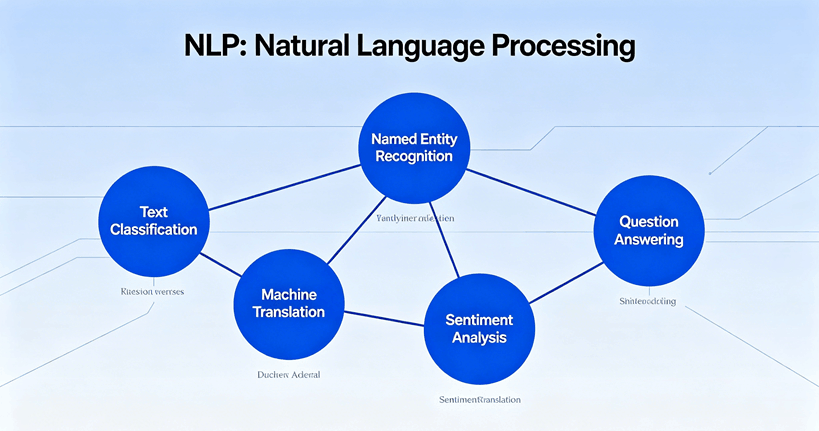
The adoption of AI agents in millions of organizations is creating new opportunities for attackers to make them take malicious actions, such as exfiltrating database contents and sensitive business and personal information.
In the past five months, Google and four other organizations—with little in common except for their use of AI agents—have acknowledged vulnerabilities that exploit one agent inside a targeted network to spread harmful instructions to other internal agents. The technique is a special form of prompt injection that targets not the LLM but a particular agent, such as one for translation or data analysis. Guardrails inside such agents, if they exist at all, are often lax and will send the instructions to other agents down the chain. Because the latter agent explicitly trusts the first one, it follows the directions.
Unexpected and hard to mitigate
Independent researcher Syed Anas Mohiuddin tested agents from organizations including Google, JP Morgan Chase, Weviate, Rapid7, the French government's interministerial digital directorate, and the US federal government. His proof-of-concept attacks exploit trust gaps in MCP, short for Model Context Protocol. The standard is one way AI apps and agents communicate with each other inside an internal network. The illustration below shows a simplified MCP in action.Read full article
Comments
内容声明
本文内容基于公开市场信息与媒体报道进行整理,部分观点来自社区讨论。如涉及事实性问题,欢迎通过 xurj005@163.com 与我们指正,我们将及时核实并更新。